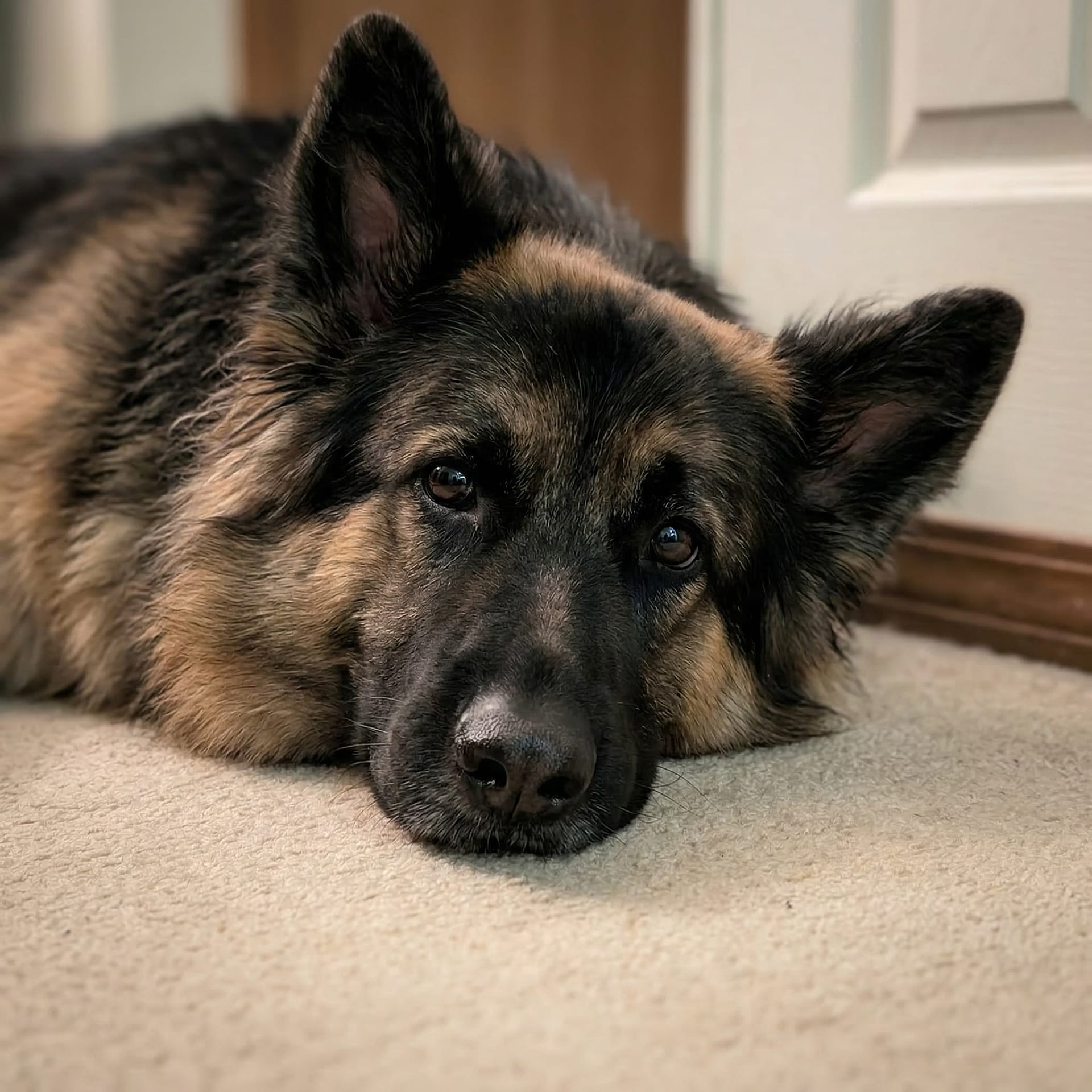
What People Mean When They Say Long-Haired German Shepherds Are “A Lot”
When people talk about long-haired German Shepherds, they often stop at a vague phrase:
“They’re a lot.”
It sounds casual. Almost affectionate.
But it usually means something much heavier — something people don’t know how to explain without sounding negative.
So they don’t explain it at all.
“A lot” doesn’t mean difficult. It means demanding.
Long-haired German Shepherds aren’t demanding in loud, chaotic ways.
They don’t usually destroy your house for attention.
They don’t need constant entertainment.
They don’t thrive on novelty for novelty’s sake.
What they demand is presence.
Not just being home — but being available.
They notice when routines shift.
They notice when tension changes the room.
They notice when your attention is split for weeks at a time.
And they adjust themselves accordingly — often at a cost to their own well-being.
The gap between care guides and real life
Most care guides talk about:
- exercise requirements
- grooming schedules
- training basics
- nutrition
All of that matters.
But it leaves out the part people struggle with most:
the constant, low-level responsibility of being emotionally readable to a dog who is always paying attention.
Long-haired German Shepherds don’t need perfect owners.
They need regulated ones.
“A lot” means they don’t disappear into the background
Some dogs fit easily into busy lives.
They adapt quietly. They wait their turn.
Long-haired German Shepherds don’t vanish like that.
They stay present — watching, tracking, waiting for cues.
That doesn’t make them needy.
It makes them engaged.
But engagement requires response.
And when there’s no response — day after day — the dog still adapts.
Just not in ways people expect or recognize until something breaks.
When people say “a lot,” they’re often talking about themselves
What they usually mean is:
- “I didn’t realize how much of myself this dog would require.”
- “I didn’t expect to be this aware all the time.”
- “I didn’t know how much my own stress would matter.”
That realization doesn’t mean someone is bad or careless.
It means they crossed the line from owning a dog to being in a relationship with one — and weren’t prepared for that shift.
This isn’t a warning. It’s a translation.
Long-haired German Shepherds are “a lot” because they give back a lot.
They are deeply attuned.
They are loyal without being loud.
They are serious without being severe.
But the exchange is real.
They give presence — and expect it in return.
Why Fluffy Shepherds says this plainly
Because too many dogs pay the price for language that stays vague.
When “a lot” isn’t explained, people fill in the gaps with optimism.
When optimism meets reality without preparation, dogs lose stability.
Clarity protects dogs better than enthusiasm ever will.
If this resonates — pause, don’t rush
If you’re reading this and thinking carefully instead of defensively, that matters.
If you’re recognizing yourself in the gaps between expectation and reality, that matters too.
Before moving deeper into care, health, or rescue stories, it helps to orient yourself honestly.
If you want a place to do that without pressure or judgment, start here.
That page exists to help you decide what kind of responsibility fits your life — now, not someday.
Long-haired German Shepherds are “a lot” because they ask for something real.
Not perfection.
Not sacrifice.
Just presence — consistently, honestly, and for the long haul.